
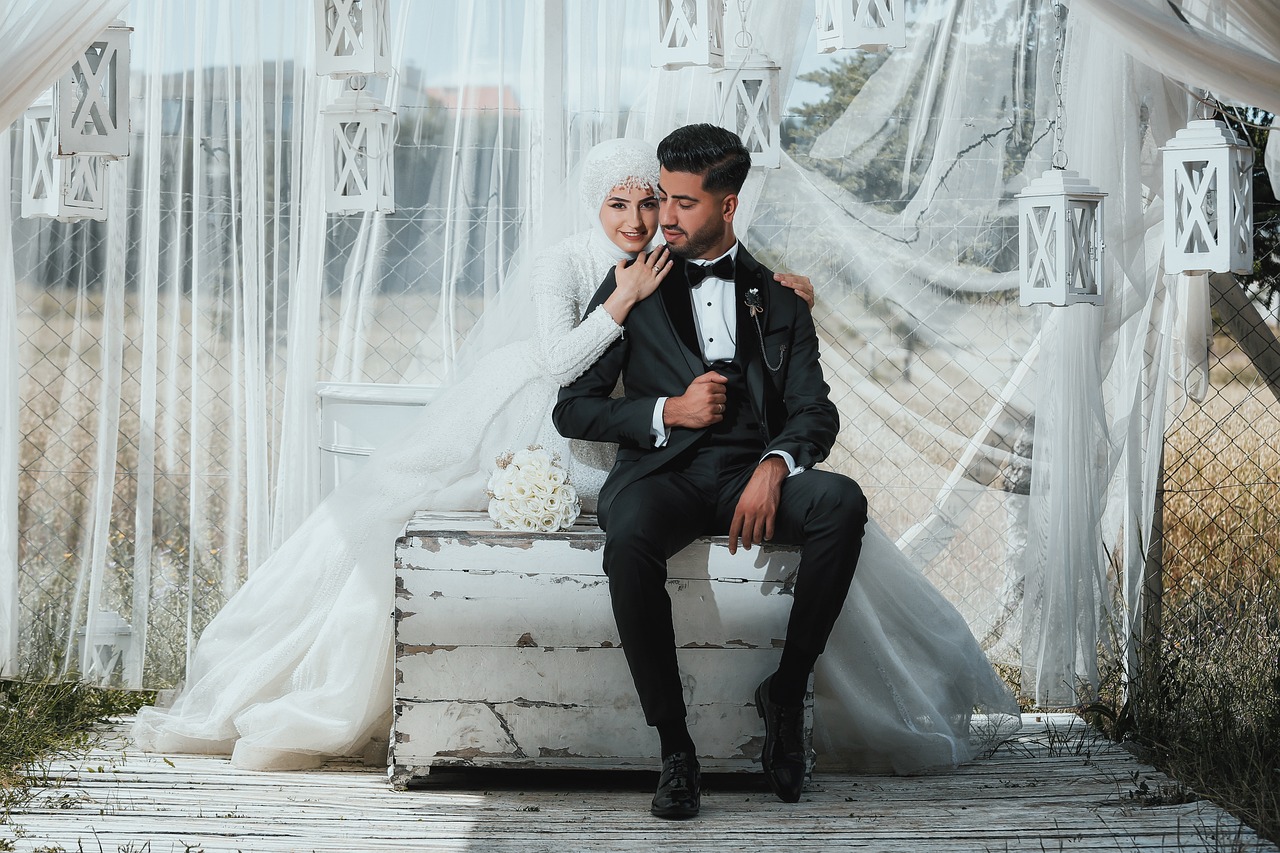
Understanding Muslim Marriages in Australia: Traditions, Challenges, and Adaptation
Australia is a diverse and multicultural nation, home to a significant Muslim population that reflects a broad spectrum of ethnic backgrounds, including Arabs, South Asians, Turks, and African Muslims, among others. With this diversity, Australian Muslims bring rich traditions and cultural practices, especially in the institution of marriage (Nikah). In Australia, Muslim marriages are shaped by a combination of Islamic traditions, cultural norms, and the legal framework of the country.
This blog will explore the key aspects of Muslim marriages in Australia, including religious and cultural traditions, the legal aspects of Nikah, and the challenges faced by the Muslim community in maintaining their Islamic values while integrating into Australian society.
Islamic Traditions in Muslim Marriages
Marriage in Islam, or Nikah, is considered a sacred covenant between a man and a woman, intended to provide companionship, love, and mutual support. The primary principles guiding Muslim marriages are based on Islamic law (Sharia) and include mutual consent, the provision of Mahr (a dowry given to the bride), and the witness of two adult Muslims to validate the marriage contract. These elements are universally practiced by Muslims in Australia, just as they are across the Islamic world.
In an Australian Muslim marriage, the Nikah ceremony is typically conducted by an Imam or a qualified religious authority, often in a mosque or a community center. The ceremony itself is relatively simple, involving the reading of Quranic verses, the exchange of vows, and the signing of the marriage contract. However, the simplicity of the religious procedure is often complemented by elaborate cultural celebrations, which vary depending on the ethnic background of the couple.
For example, South Asian Muslim weddings in Australia often include multiple days of festivities, such as the Mehndi (henna ceremony) and the Walima (reception), while Arab and Turkish Muslim weddings might include traditional music, dancing, and specific customs that are unique to those cultures. These cultural elements, though not religiously mandated, add vibrancy and color to Muslim marriages and are cherished by Australian Muslims as a way of preserving their heritage.
Legal Aspects of Muslim Marriages in Australia
While Islamic law governs the religious and spiritual aspects of a Muslim marriage, Australian law regulates its legal standing. It is crucial for Muslim couples in Australia to understand that a Nikah performed solely under Islamic law is not legally recognized by the Australian government unless it is registered through the civil marriage process.
Under Australian law, marriage is governed by the Marriage Act of 1961, which requires couples to be married by an authorized celebrant. Many Imams and religious figures in the Muslim community have received authorization from the government to act as marriage celebrants, enabling them to conduct both the religious and civil aspects of the marriage simultaneously. This ensures that the marriage is recognized both legally and religiously.
One key distinction between Islamic and Australian law is the treatment of polygamy. While Islam permits a man to marry up to four wives under certain conditions, polygamy is illegal in Australia. This legal restriction has led some Muslim men to enter into multiple religious marriages (without legal registration), but such unions do not enjoy legal protection under Australian law. In cases of disputes or separation, only the first legal wife has access to the rights and protections afforded by the law, leaving subsequent wives in a vulnerable position.
In addition, Australian family law recognizes the equality of men and women, which contrasts with some interpretations of Islamic law that emphasize different roles and rights for husbands and wives, particularly in terms of divorce and financial obligations. As a result, many Muslim couples find themselves navigating between the two legal frameworks—Sharia and Australian law—especially in cases of marital disputes or divorce.
Challenges in Navigating Cultural and Religious Expectations
Muslim marriages in Australia are often marked by a balancing act between Islamic traditions and the values of Australian society, which can sometimes lead to cultural and generational tensions. These tensions are particularly pronounced among second and third-generation Australian Muslims, who are more integrated into mainstream Australian culture than their immigrant parents.
Intercultural Marriages
One significant challenge that has emerged in recent years is the increase in intercultural marriages among Australian Muslims. As young Muslims become more integrated into Australian society, many are choosing to marry outside their specific ethnic or cultural backgrounds, often leading to friction with more traditional family members. For example, a South Asian Muslim family might be hesitant to accept their child marrying an Arab or Turkish Muslim, despite both parties sharing the same faith.
In such cases, families may struggle with balancing Islamic principles, which emphasize the universality of the Muslim Ummah (community), with cultural preferences that favor marrying within one’s ethnic group. These tensions often require sensitive negotiation and adaptation, particularly in a multicultural society like Australia, where interactions between different ethnic groups are common.
Influence of Secular Values
Another challenge faced by Australian Muslims is the influence of secular values on marriage and family life. Australian society, like many Western nations, places a strong emphasis on individualism, gender equality, and personal freedom. These values sometimes conflict with more conservative interpretations of Islamic teachings on gender roles, family obligations, and modesty.
For example, the concept of gender equality in Australian law ensures that both partners in a marriage have equal rights and responsibilities. However, in more traditional Muslim families, the husband is often expected to be the breadwinner, while the wife manages the household and cares for the children. This discrepancy can create tension, particularly for Muslim women who wish to pursue careers or higher education but feel pressured to conform to traditional roles.
Additionally, the expectation in some Muslim cultures for arranged marriages contrasts sharply with Australian values of personal choice and romantic love. While arranged marriages remain common among certain Muslim communities in Australia, there is a growing trend toward “semi-arranged” or “introduced” marriages, where families facilitate introductions but the final decision is left to the couple.
Community Support and Adaptation
Despite the challenges, many Australian Muslims have successfully adapted their marriage practices to reflect both their Islamic values and the realities of living in a modern, pluralistic society. Muslim organizations, mosques, and community centers often provide resources and support for young couples, helping them navigate the complexities of modern life while maintaining their religious commitments.
Pre-marriage counseling, for example, is becoming more common within the Muslim community in Australia. These counseling sessions, often conducted by Imams or trained professionals, help couples understand the religious, legal, and emotional aspects of marriage. They also offer practical advice on managing finances, communication, and conflict resolution—skills that are essential for a successful marriage in any cultural context.
Additionally, Islamic matrimonial services and events are becoming more widespread, offering a platform for young Australian Muslims to meet potential spouses in a halal (permissible) setting. These services often take into account both Islamic guidelines and the realities of life in Australia, providing a culturally sensitive way for Muslims to find compatible partners.
Conclusion: The Evolution of Muslim Marriages in Australia
Muslim marriages in Australia represent a fascinating intersection of Islamic traditions, cultural diversity, and modern Australian values. While challenges exist—ranging from legal discrepancies to cultural tensions—Australian Muslims have demonstrated resilience and adaptability in navigating these complexities.
As the Muslim community continues to grow and evolve in Australia, so too will the institution of marriage. Through dialogue, education, and community support, Australian Muslims are finding ways to honor their religious obligations while integrating into the broader fabric of Australian society. In doing so, they are not only preserving their faith but also contributing to the multicultural richness of the country.
We write rarely, but only the best content.